
Part 3
FINDINGS

Part 3.1
Policy & Governance
REGION 1 EAST TENNESSEE
3.1.2 Governance & Leadership
While several organizations serve as leaders and advocates for the music sector at the local and state levels, there is a lack of formal structure to support the music ecosystem in the region, with no Music Office nor Music Advisory Council.
The survey revealed organizations rated local authority and government 3.52 for relevance and 3.21 for availability, while musicians gave ratings of 2.50 and 2.27 respectively. These results suggest that governance and leadership initiatives may need to be strengthened or expanded to better support the music sector, and particularly musicians.
3.1.3 Licensing & Regulations
The regulatory assessment revealed some issues concerning the definition of and guidance around sound regulations, event permitting, all ages regulations, street performance guidance, entertainment/creative districts, liquor licenses for music performance, and music business licensing.
Survey respondents rated administrative procedures in the music sector as slightly challenging (average scores of 2.2 for musicians and 2.6 for organizations on a 1-5 scale). Parking issues and poor night transportation also limit artists' ability to perform and attract audiences. Additionally, the regional music community lacks dedicated resources and guides on safety, emergency preparedness, environmental sustainability, and DEI&A (diversity, equity, inclusion, and accessibility).
3.1.4 Financial Resources
The cultural sector benefits from budget lines as part of the Social, Cultural, and Recreational sector ($8,120,725)2 in Knox County. Several grants and funding mechanisms are also available for the arts sector at the local, regional and state levels. However, none of these financial resources and funding mechanisms are dedicated solely to the music sector.
Surveyed organizations prioritized finance and fundraising, indicating a need for operational resilience. Stakeholders noted a gap in financial tools and a lack of support from local banks and accountants who misunderstand the music industry's business model, hindering access to capital. Additionally, rural counties often cannot access state grants due to lacking the required local financial match.
Music Ecosystem Challenges: Key Findings
Musicians and artists: Challenges
Organizations and Businesses: Challenges
Musicians and artists: Public Funding
14.8%
of total musicians received public funding
85.2%
of total musicians did not receive public funding
0%
NGOs
7.4%
Local City
4.6%
Other lnstitutions
1.9%
Federal Government
5.6%
State Government
0.9%
Local County
Organizations and Businesses: Public Funding
69.1%
of total organizations received public funding
30.1%
of total organizations did not receive public funding
34.5%
Federal Government
52.7%
Local City
56.4%
State Government
43.6%
Other lnstitutions
56.4%
State Government
41.8%
Local County
Overall, the results suggest that the main economic pressures are related to income sustainability rather than bureaucratic hurdles.
Over half of musicians (52.8%) expressed interest in receiving aid, highlighting a substantial gap between existing needs and access to available funding, as well as a reflection of a market that doesn’t provide enough opportunities, or suitable pay, for gigging musicians.
Music Ecosystem: Importance of Receiving Public Funding
Musicians
75%
think receiving public funding was extremely important for their music‑related work
Organizations
84.2%
think receiving public funding was extremely important for their music‑related work
Survey results demonstrate that, when available, public funding plays a critical role in strengthening the local music ecosystem, not only by helping sustain existing activity but also by enabling creative and organizational growth.
-
Knox County Tennessee, “FY2026 Proposed Budget”, accessed September 1, 2025, https://www.knoxcounty.org/finance/pdfs/2025_2026_budget/FY26_Proposed_Budget.pdf
Part 3.2
Talent & Creative Ecosystem
REGION 1 EAST TENNESSEE
3.2.1 Professional Development
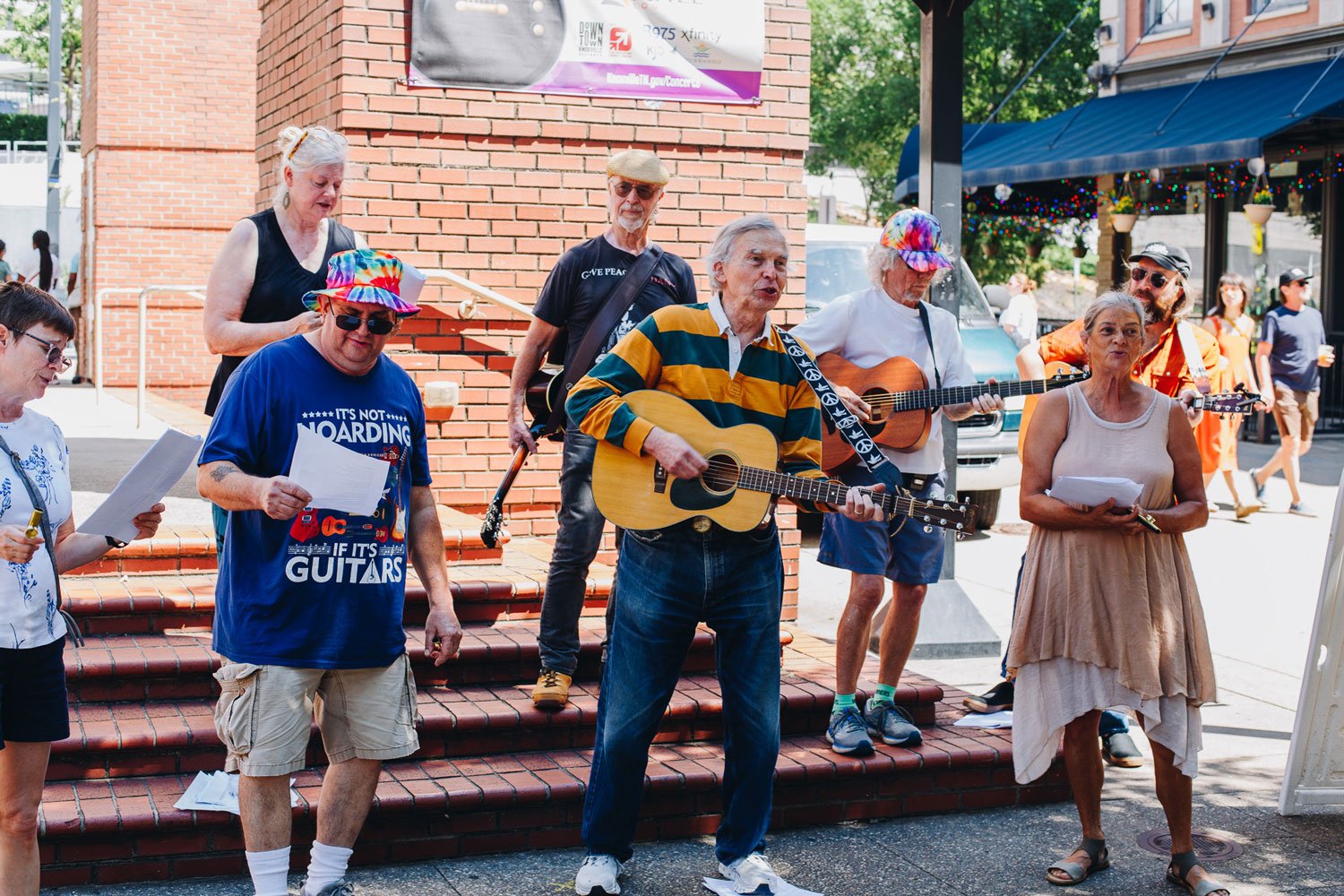
Musicians and artists: level of professionalization and sources of income
For the survey, Sound Diplomacy classified musicians and artists in East Tennessee by level of professionalization.
Percentage of total income derived from music‑related work
by level of professionalism
28.1%
are professionals
71.7%
of their income comes from music‑related activities
51.9%
are semi‑professionals
34.7%
of their income comes from music‑related activities
20%
are amateurs
38.8%
of their income comes from music‑related activities
Percentage of total income derived from music‑related work
by level of professionalism
Percentage of their income that comes from music‑related activities
Cover Basic Needs with Income Generated from Music-Related Work
Sources of income
The wide majority of musicians reported being unable to cover their basic needs with income from music-related activities indicating significant economic precarity – rooted in low diversification of income streams, limited market reach, and the near absence of professional intermediaries such as managers, booking agents, and record labels.
Revenue from live performances is the primary music‑related income source for professional musicians, followed by freelance compensation. Licensing, intellectual property, and digital or online revenues remain marginal, representing no more than 8% combined for professionals and near‑zero for the rest, underscoring the limited monetization of recorded or streamed music in the local ecosystem.
Music Ecosystem: Copyrights registration and ownership
Registration of copyright
Ownership of copyright
Developed by Sound Diplomacy
While most respondents who create original works retain ownership, formal registration and protection mechanisms remain underused, and could in part explain why the overall income gained from IP is so low.
The relatively low rate of copyright registration is consistent with earlier findings showing limited income from licensing, intellectual property, and digital revenues. This pattern indicates that many artists may not be leveraging the full economic potential of their creative assets, not necessarily due to lack of interest but because of information gaps, limited access to legal resources, and low institutional support.
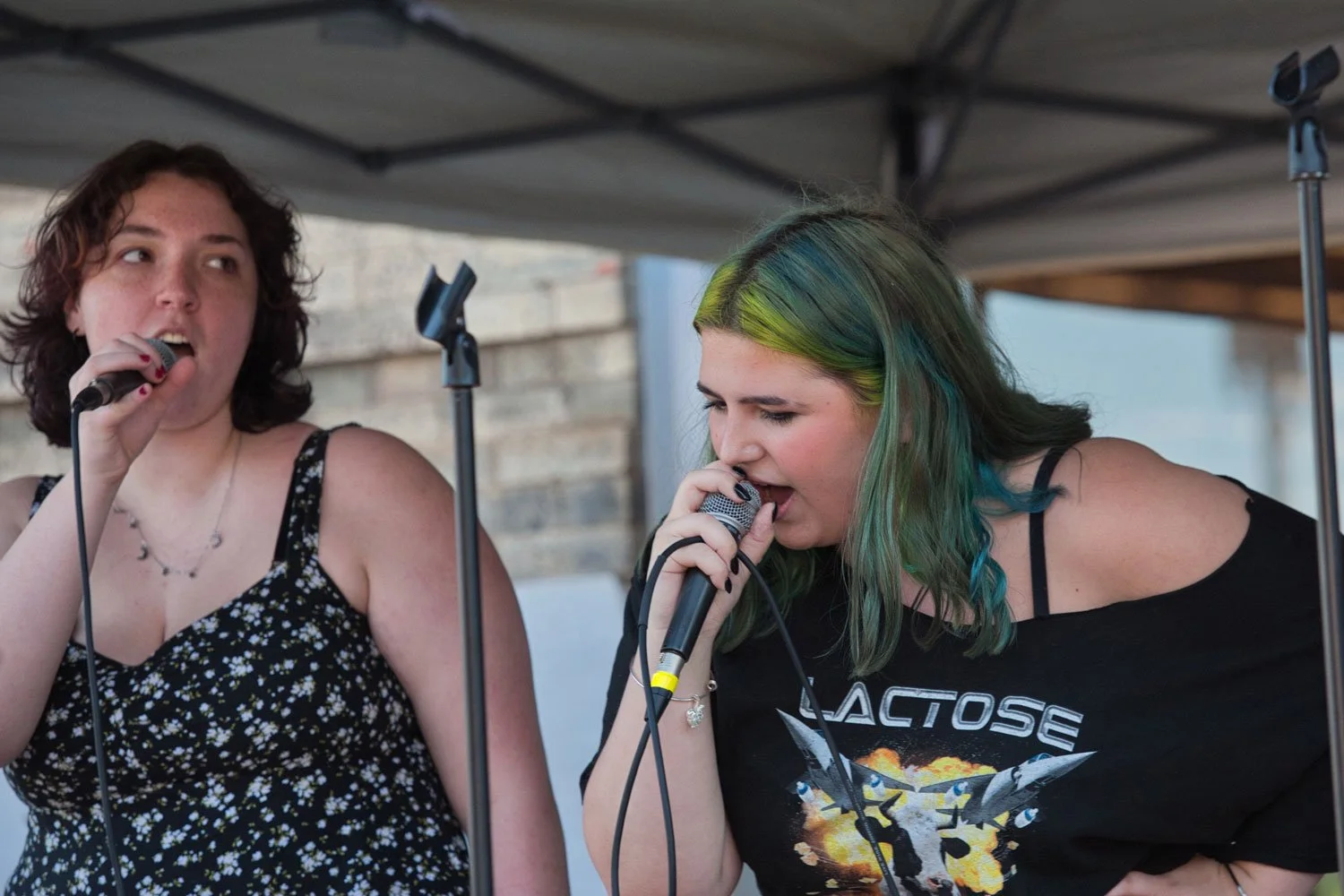
Value chain
Research indicates a significant scarcity of industry-facing and intermediary music businesses in East Tennessee, including managers, booking agents, record labels, and distributors. Registered physical assets are almost non-existent. Musicians rated managers/booking agents and labels lowest for relevance, quality, and availability, with most reporting no engagement. This forces artists to self-manage marketing, booking, and distribution, hindering their commercial growth and export potential.
Skills training
Several organizations provide music industry education to local professionals and stakeholders: TEC FastTrack Job Training Assistance Program; Knoxville Music Coalition; Knoxville Music Teachers Association (KMTA).
However, there is a need to increase skills development opportunities in marketing, social media, and data analysis, formal creative skills, technology related to the creation or production of music, and building national and international contacts for musicians.
Skills or Knowledge Gaps in the Music Ecosystem
Musicians and organizations: Skills respondents want to acquire
Developed by Sound Diplomacy
Findings highlight a shared trend toward greater self-sufficiency among both musicians and organizations. The strong demand for marketing, financial management, and export‑related skills reflects a response to the lack of intermediaries and institutional infrastructure in the region. This points to an adaptive but fragile ecosystem where creatives must perform multiple professional roles – underscoring the need for capacity‑building initiatives and targeted public support to enable more sustainable professional growth across East Tennessee’s music industry.
3.2.2 Music Education
A regional strength of East Tennessee is its strong music education sector. When asked about the relevance, quality and availability of local suppliers of the music ecosystem, organization survey respondents rated education highly across all three dimensions (relevance 3.92, quality 4.05, availability 3.68), while musicians gave moderate scores (relevance 2.96, availability 3.06). This asymmetry implies that while education assets are established, their direct utility is clearer to institutions than to artists, with more links existing between businesses and educational institutions, and suggests there are fewer pathways from music education to performance-based careers.
East Tennessee offers strong music education. Knox County Schools supports robust K–12 programs aligned with state standards. Extracurricular options are abundant through organizations like the Knoxville Symphony Orchestra, Knoxville School of Rock, Joy of Music School, and the University of Tennessee Community Music School. Post-secondary options include the University of Tennessee's standalone Natalie L. Haslam College of Music, which provides comprehensive undergraduate, graduate, and certificate programs across performance, education, business, and technology.
Internships and apprenticeship programs
Several internship, apprenticeship and mentorship programs exist for the music sector in Knox County, demonstrating local efforts towards workforce development and talent pipeline support. While these programs provide valuable opportunities for music students and professionals, stakeholder engagement highlighted gaps in connecting local organizations with interns and apprentices and a need to encourage their hiring at the regional level.
3.2.3 Collaboration & Networking
Several initiatives provide networking opportunities for music stakeholders in East Tennessee via the Knoxville Chapter of the Nashville Songwriters Association International, Knoxville Music Coalition, and Knoxville Music Teachers Association.
Musicians and music industry participants (including organizations and businesses) were asked to identify the key players they consider most relevant to achieving their professional goals, and to rate the quality and availability of these players on a scale from 1 to 5.
Music Ecosystem Value Chain: Relevance, Quality and Availability
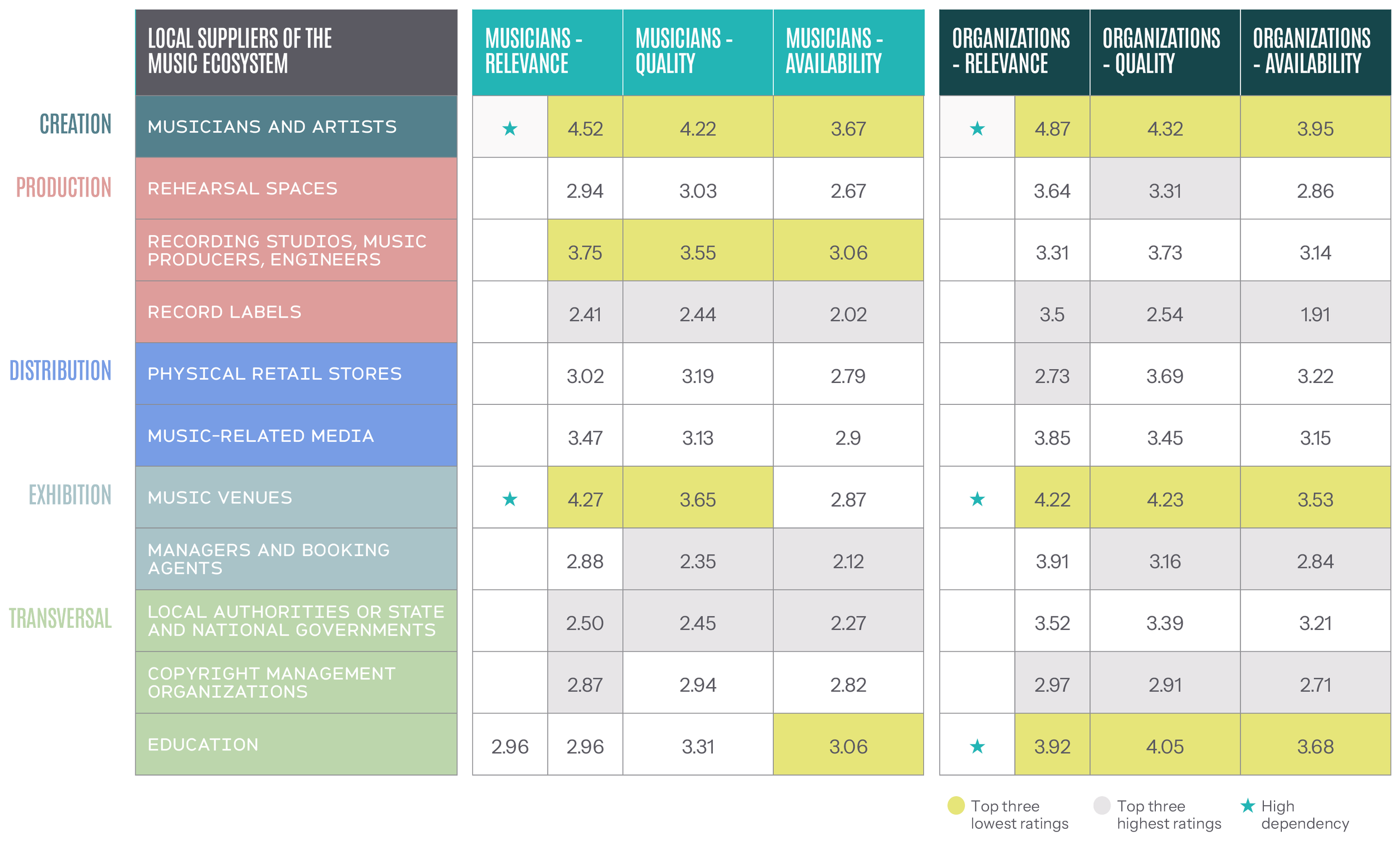
The stakeholder survey revealed significant perception gaps between musicians and music organizations regarding key support structures. For local authorities and government, organizations report a much higher relevance compared to musicians. Organizations also perceive better availability, indicating that policy and public interfaces are more visible and accessible, and have more closely linked goals and interactions to institutions than to individual artists.
Local suppliers of the music ecosystem’s geographic location
All survey respondents were asked to indicate the geographic location of their clients and suppliers to better understand how much of their professional activity is anchored within East Tennessee or extends beyond it. When analyzing the suppliers and collaborators of musicians and organizations in East Tennessee, a clear pattern emerges – the music community is highly self‑contained and performance‑driven, characterized by:
Local Focus
Musicians primarily collaborate with local venues (86.8%), other artists (63.2%), and retail (57.2%).
Organizations also focus locally, working with artists (80.8%), venues (80.8%), and production (68.5%).
Limited External Reach
Collaboration outside the region is low: only 34.2% within Tennessee, 32.2% across the U.S., and 11.2% internationally for musicians.
Organizations have slightly more external reach, with 26-34% having connections outside Tennessee.
Intermediary Gap
Over half of musicians (54.3%) lack managers/agents.
Nearly two-thirds (64.9%) lack record labels.
Most are self-managed and rely on informal networks.
Missed Development Opportunities
Musicians and organizations show limited collaboration with key development drivers:
Educational institutions (a regional strength, but potential is missed).
Media
Management professionals.
The strong, community-based scene lacks the institutional support needed for expansion.
Part 3.3
Infrastructure
REGION 1 EAST TENNESSEE
Sound Diplomacy’s mapping analysis shows how assets are distributed across three broad areas: live music, recorded music, and support, highlighting the relative weight of each within the regional ecosystem.
Overview of the Music Assets in East Tennessee
By Category
-
114 / 37% Bars, cafés, and restaurants with live music
105 / 34% Other multi-purpose spaces with live music
30 / 10% Festivals
23 / 8% Performing arts venues and cultural centers with live music
12 / 4% Dedicated live music venues
10 / 3% Live events producers, bookers & programmers
9 / 3% Nightclubs
2 / 1% Arenas
1 / 0% Private music instructors
-
72 / 45% Musical instruments & equipment stores
39 / 24% Other multi-purpose spaces with live music
37 / 23% Private music instructors
6 / 4% Music managers
4 / 2% Music associations and nonprofits
2 / 1% Instrument manufacturers
1 / 1% Music PR & marketers
-
53 / 47% Radio stations
40 / 36% Recording studios, producers & rehearsal rooms
8 / 7% Record stores
4 / 4% Radio networks
3 / 3% Record labels
3 / 3% Music publishers
1 / 1% Instrument manufacturer
Live music
The live music landscape is broad and active but primarily rooted in smaller, community‑based spaces rather than major performance infrastructure. The majority of music assets in East Tennessee are related to live music but mostly occurs through spaces such as bars, cafés, and restaurants with live music. Performance opportunities primarily hosted in establishments not solely dedicated to music programming can limit career pathways for musicians looking to perform in more professional settings.
Survey responses support these findings. Music venues were rated as very relevant by surveyed musicians (4.27), but availability is an issue, and was rated 2.87. This points to a supply constraint from the artist perspective. According to local stakeholders, this shortage of mid-sized venues (400–700 capacity) limits local artists’ ability to scale their audiences.
Recorded music
Recorded music assets are a smaller segment, dominated by radio stations and recording studios. This concentration offers production and local dissemination capacity but limits commercial or industry-facing scope. While artists have local recording and sharing opportunities, the lack of robust commercial distribution structures hinders broader industry engagement.
Support assets
Musical instrument and equipment stores are the largest subcategory, indicating broad access to music-related goods and services across the region. The remaining assets – music managers, associations and nonprofits, instrument manufacturers, and PR and marketing remain limited in scale.
Property status and real estate
Organizations were asked about their experience owning or renting the spaces where they operate, such as venues, studios, and rehearsal spaces, and whether these conditions represent a challenge.
Property ownership
Are real estate issues perceived as a challenge?
Property cost perceptions for those who own
Property cost perceptions for those who rent
The results highlight a general sense of economic vulnerability even among organizations that currently own their spaces. Rising costs, maintenance burdens, and limited access to stable, affordable venues suggest that the sustainability of many cultural spaces remains precarious. These findings show that infrastructure constraints, especially related to affordability and accessibility, pose one of the key structural challenges to the region’s music ecosystem. Many are interested in exploring shared spaces or partnerships to diversify programming and reduce risk.
Part 3.4
Audience & Community Engagement
REGION 1 EAST TENNESSEE
3.4.1 Audience Development
Live music is central to East Tennessee’s cultural identity. The regional music scene shows a broad range of musical styles.
Musicians and Artists: Media and Music Genres
Genres
Channels
Developed by Sound Diplomacy
These results reveal a strong alignment between creators and audiences around traditional and roots‑based genres such as rock, country, and singer-songwriter.
Local music-related demand
Survey results show a strong appetite among East Tennessee audiences for more music events and experiences. Nearly three‑quarters (73.8%) of respondents said they would love to see more live music activity in the area. This proportion was notably higher among fans from rural counties, rising to 78.7% when excluding respondents from Knox, Sevier, and Blount counties, compared to 71.3% among fans in those more urban areas.
When asked what kinds of music experiences they would like to see more of, audiences expressed a diverse range of preferences:
Concerts featuring artists playing original music (68.1%)
Community-oriented festivals and events (53.4%)
Music festivals (49.8%)
Concerts by international touring artists (33.3%)
Radio stations that play local music (25.1%)
Geographic concentration
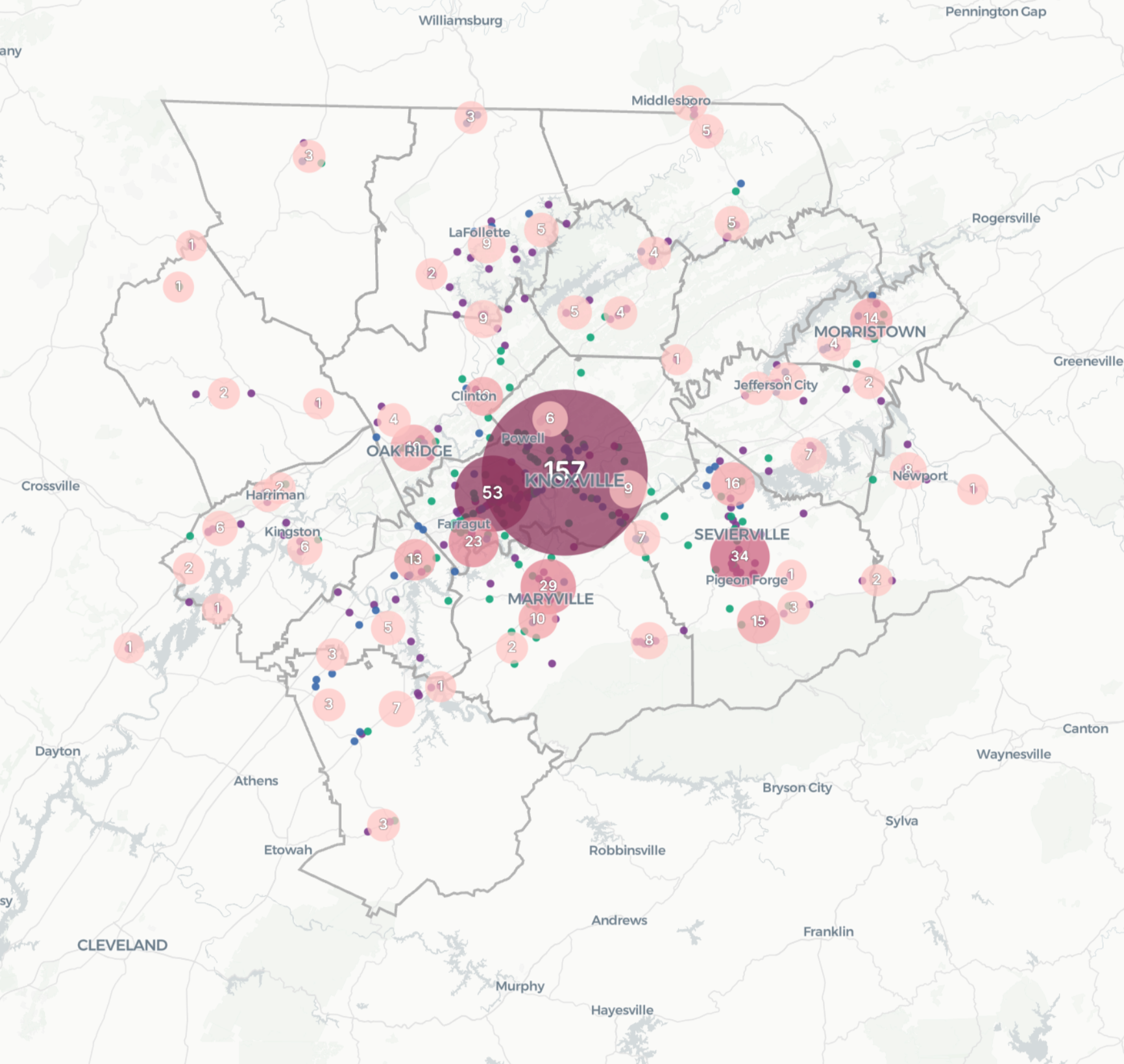
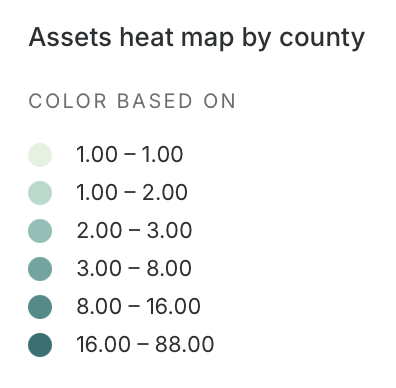
Spatial analysis identifies Knox County as the central hub, with Sevier and Blount serving as secondary nodes. Peripheral counties tend to show narrow local identities and music‑related offerings.
Bars, cafés, and restaurants with live music are among the most geographically widespread assets, present in 13 counties, and serve as the foundation for local performance life.
Other multi-purpose spaces with live music appear in 11 counties, often as the primary or only music‑related infrastructure in rural areas such as Campbell (63%), Claiborne (47%), and Union (36%).
Festivals are mapped in 8 counties.
Other assets such as performing arts venues and dedicated live music venues are limited in number and mostly located in larger or more connected areas, reflecting capacity constraints outside urban centers.
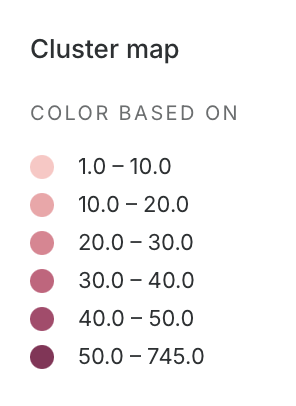
East Tennessee Music Assets Cluster Map
Music asset concentration and population
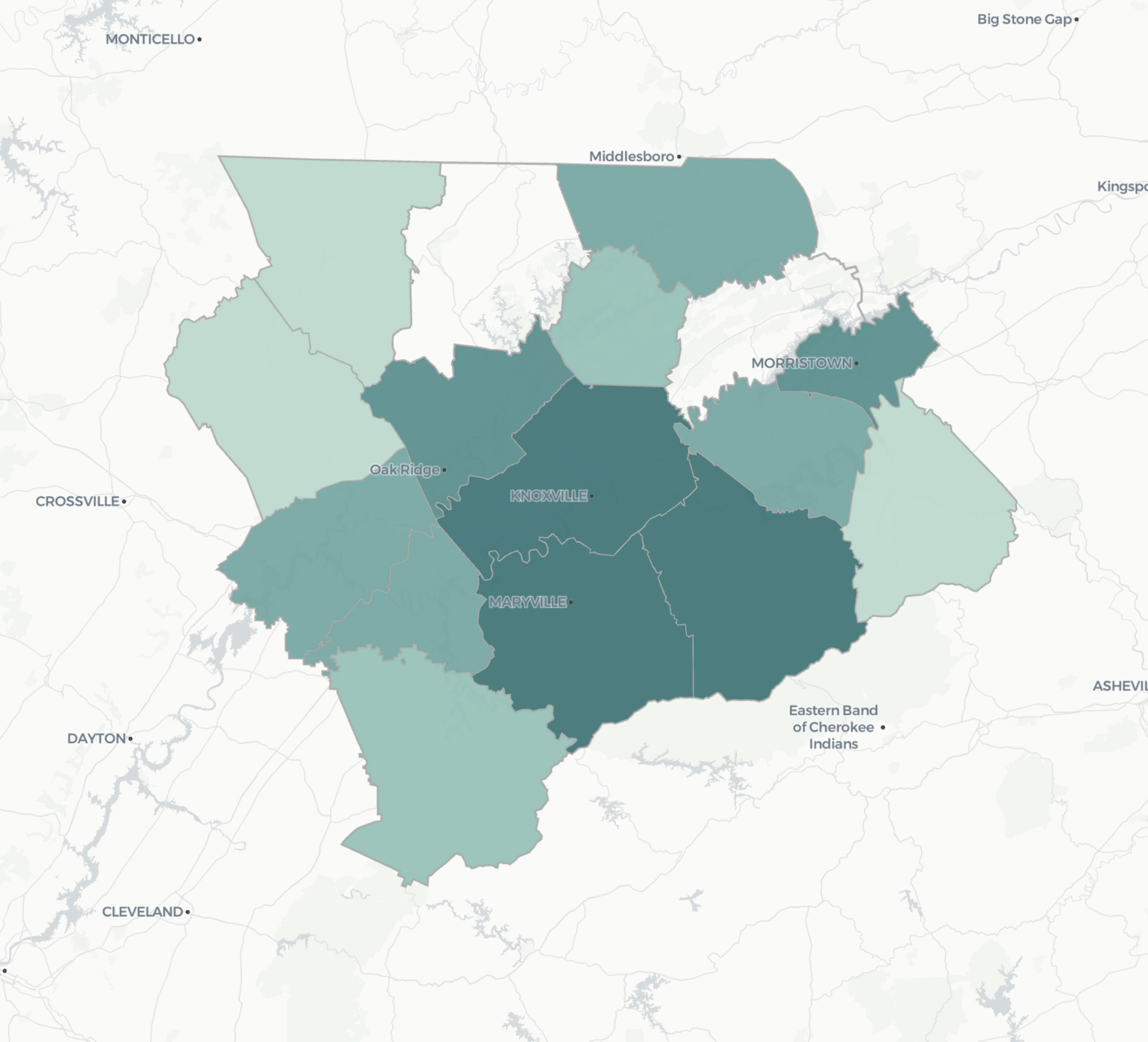
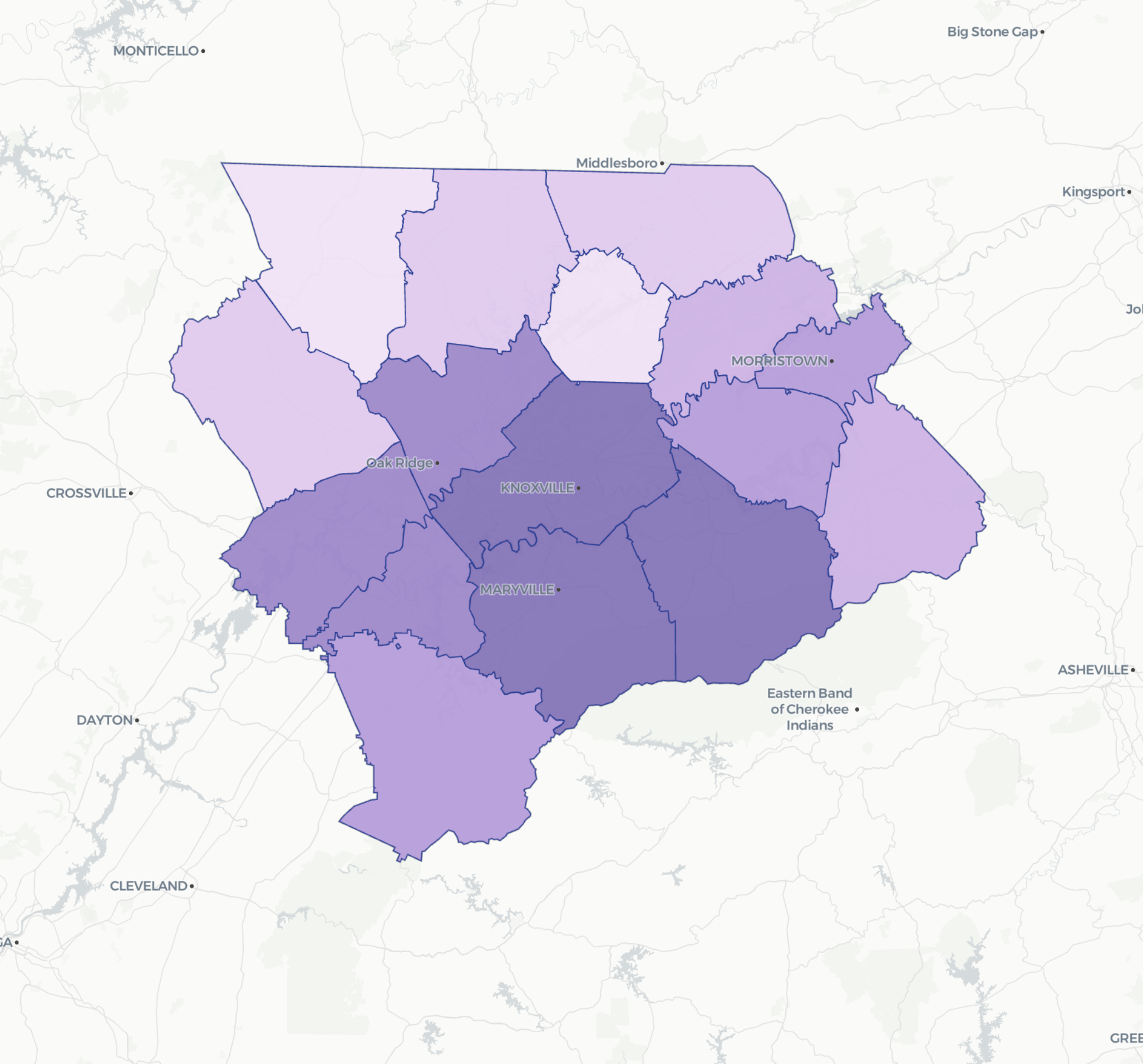
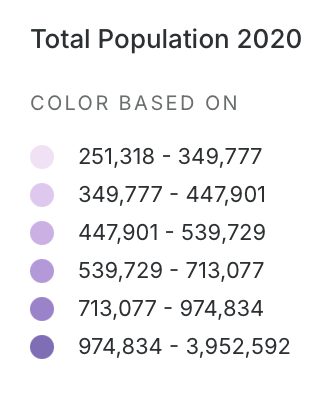
Knox, Sevier, and Blount counties, which host the largest populations, also contain the highest concentration of assets. In contrast, less populated counties such as Grainger, Morgan, and Rhea hold far fewer, indicating a direct relationship between demographic size and cultural infrastructure density.
Comparison of Music Asset Concentration and Population by County in East Tennessee
Audience development strategies
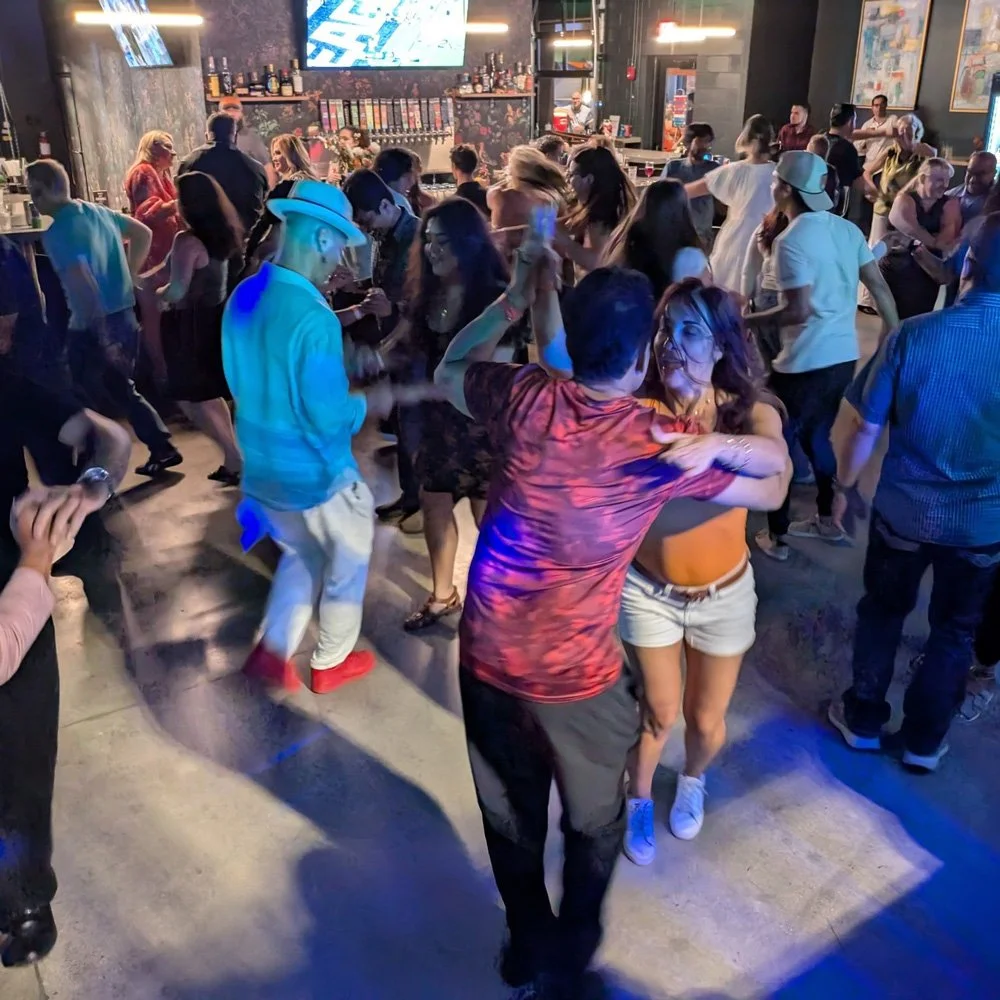
An audience development strategy creates an intentional focus on the cultivation and expansion of audiences and communities associated and engaged with the music sector.
While East Tennessee has existing audience development initiatives that include music, music-specific programs are lacking. Stakeholders noted challenges in event logistics and audience engagement, requiring tailored outreach, partnerships with diverse communities, and programming reflecting the region's full cultural identity. Affordability, including ticket prices and cost of living, also presents a barrier to audience participation.
3.4.2 Communication & Marketing
Communications and marketing are essential to supporting the music scene. Promoting music professionals and artists helps them build audiences and develop professional networks.
The region has initiatives to promote music. The Knoxville Arts & Culture Alliance offers a free online Publicity Guide with media contact information for Knoxville (print, digital, TV, radio). This centralized resource helps cultural stakeholders, especially smaller groups and independent artists, easily reach local media and promote events.
Visit Knoxville’s calendar is the central hub for Knox County arts and culture events, improving event visibility and accessibility, supporting audience development and giving organizers a platform to promote programming.
However, stakeholders stated that many artists lack resources to reach wider audiences. They also highlighted a lack of media presence to promote the music scene that is also represented in mapping and survey findings.
Priority Areas of Government Support Selected by Participants of the Music Ecosystem
Musicians and Organizations
Preferred ways of receiving Government support

Developed by Sound Diplomacy
Findings reveal a clear convergence around two core needs: visibility and structural capacity. Both musicians and organizations agree that stronger promotion of local artists and content is essential, but their priorities diverge in focus. Musicians emphasize the need for greater visibility and circulation, while organizations highlight systemic and institutional improvements that ensure long-term sustainability.
There is a need to educate musicians and event organizers on audience-preferred communication channels so they can align their outreach strategies. There is also an opportunity to offer more music promotion support at the regional level.
Part 3.5
Brand & Music Tourism
REGION 1 EAST TENNESSEE
3.5.1 Music Branding
Defining and promoting a region’s music identity as part of a music branding strategy has strong potential to attract visitors, talent and professionals, while strengthening a sense of pride and community locally.
Several initiatives contribute to branding East Tennessee (and particularly Knoxville) as a music place. Many webpages, particularly on the Visit Knoxville website describe Knoxville as “one of America’s more dynamically musical cities”. There is strong historical branding for the region as the "Birthplace of Country Music" and "Cradle of Country Music". The“Cradle of Country Music Spotify Playlist” promotes the music scene. The Tennessee Department of Tourist Development actively markets the state with the "Sounds Perfect" campaign. Knoxville is also home to many murals that visually tell the story of the city. Many of them represent local music artists such as Dolly Parton, or music scenes.3
However, stakeholder engagement revealed the need for more efforts to further establish the region as a music destination as part of a unified brand identity, and differentiate itself from Nashville or Memphis, which dominate the perception of Tennessee’s music. A regional music brand would highlight the diversity of the wider area, help strengthen collaboration among counties, cities and organizations, and create a more recognizable identity to attract visitors, talent, and investment, while spreading cultural and economic benefits beyond Knoxville.
-
VisitKnoxville, “Knoxville Murals”, accessed September 1, 2025, https://www.visitknoxville.com/things-to-do/tours/knoxville-murals/
3.5.2 Music Tourism
There are many initiatives aiming to promote music tourism in Knox County:
Visit Knoxville: Official Convention and Visitors Bureau. Showcases local music scene, venues, events calendar, and walking tours.
Knoxville History Project: Published "Knoxville: A Walking Music Guide" focusing on downtown music sites. Established the Cradle of Country Music Park to honor East Tennessee's music heritage.
Arts & Culture Alliance (Knox County): Manages partnerships with 24 local arts/culture groups, hosting over 4,000 annual events (including music) that attract tourists. Published a Guide to Arts and Culture.
Dollywood: Theme park created by Dolly Parton celebrating Smoky Mountains culture and music. Hosts seasonal music series, live performances, and festivals. It drew in over 3 million visitors in 2024.
Internationalization
Stakeholders highlighted that touring artists face high travel and lodging costs. The scarcity of managers, agents, and record labels, combined with the fact that nearly 70% of professional musicians cannot meet their basic needs from music income, suggests structural constraints that prevent many from expanding their networks or accessing broader markets.