Techno Cities: The Urban Value of Counterculture
Cities increasingly depend on culture to remain attractive, competitive and liveable — yet the cultural practices that generate the most long-term urban value often emerge outside formal planning and policy frameworks. Counterculture regularly functions as a testing ground for new spatial and social experiments. Berlin’s techno scene offers a clear case of this dynamic. At a time of accelerating gentrification, commodification and spatial scarcity across global cities, the question is whether cities know how to protect the conditions that allow counterculture to exist and thrive.
Crisis as cultural ground
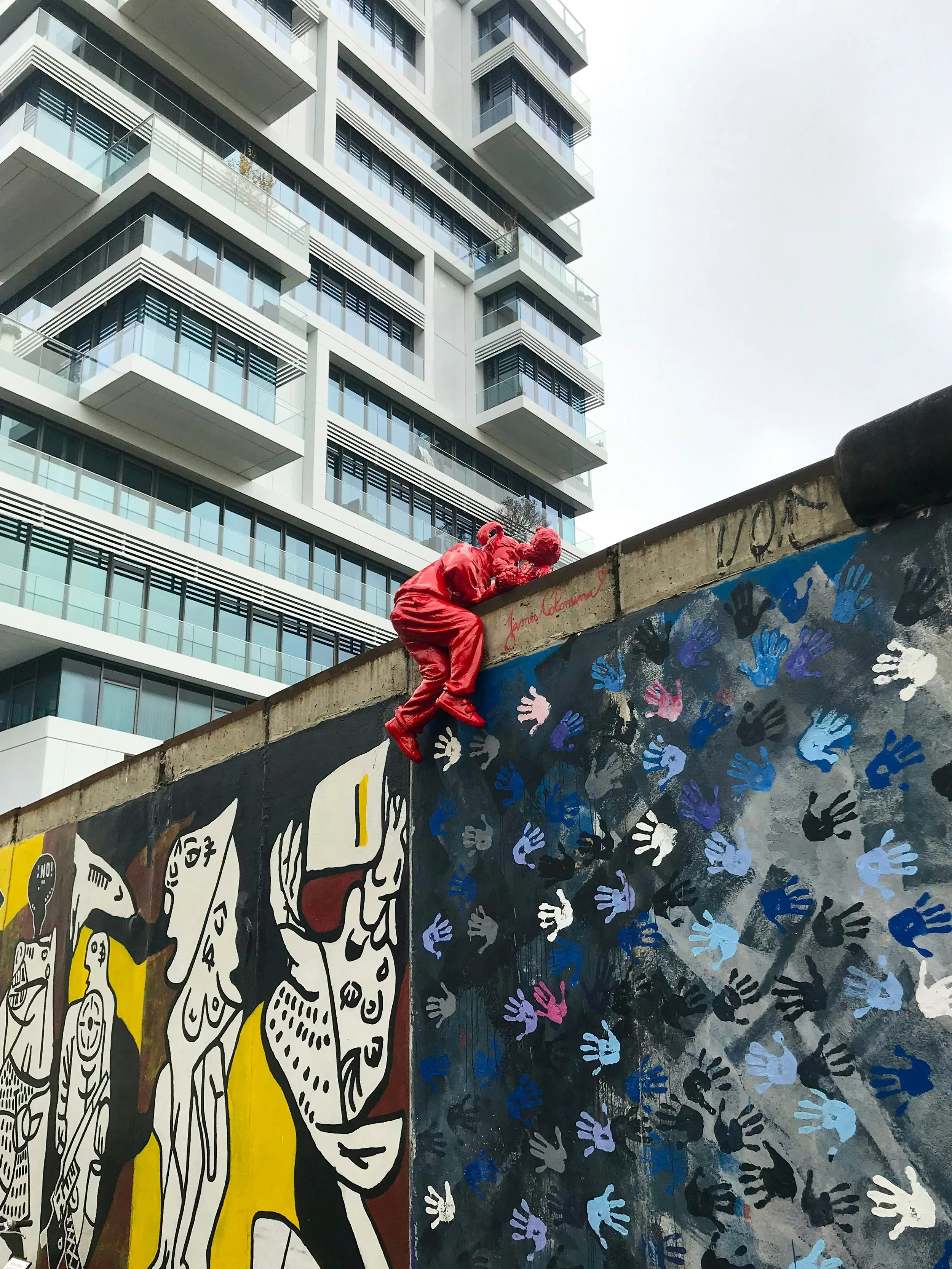
East Side Gallery, Berlin, Germany
Counterculture rarely emerges in stable environments. Across cities, it tends to flourish at times of political, socioeconomic or spatial upheaval. These moments loosen established norms and create gaps in governance — conditions that allow bottom-up cultural activity to reorganise urban life. Berlin in the early 1990s is a textbook example of such a landscape.
The fall of the Berlin Wall in November 1989 produced an immediate collapse of political order. Regulation lagged behind reality, East and West German youth cultures collided without a shared script and large parts of the city — especially in the East — were effectively ungoverned. This absence of certainty created an unusual degree of cultural openness.
At the same time, Berlin was structurally vacant. Bankruptcy, unclear property ownership and the withdrawal of commercial investment left behind vast amounts of idle industrial space and derelict buildings. Interim leases were cheap, administrative oversight was loose and access to space became broadly attainable. These structural factors intersected with a young, mixed population eager for autonomy and experimentation. The result was an environment where informal cultural practices could take root quickly and operate with minimal institutional friction — laying the structural foundation for Berlin’s techno ecosystem.
From creative experiment to urban identity
Once the conditions for experimentation were in place, Berlin’s techno movement evolved into a cultural ecosystem through a set of identifiable mechanisms. The first was spatial experimentation. With low barriers to accessing vacant industrial sites and little regulatory interference, cultural actors could prototype new uses of space quickly and collectively. These early interventions demonstrated how derelict buildings could be transformed into social and cultural infrastructure.
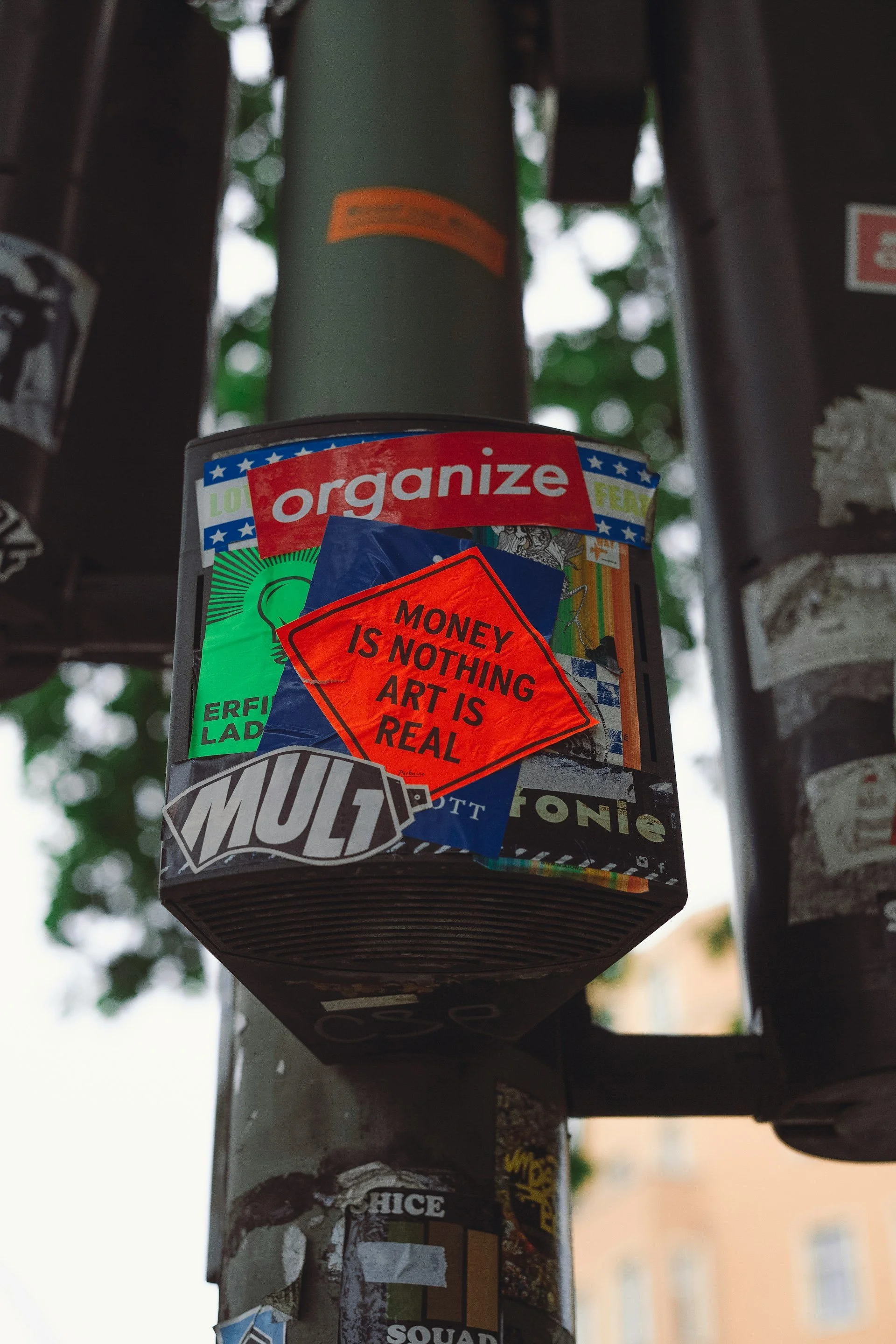
Posters and stickers around Berlin
The second mechanism was informal governance. Instead of relying on formal institutions, the scene developed its own norms: collective responsibility inside venues, self-regulated door policies and flexible organisational models among promoters and residents. This allowed cultural activity to scale without formal oversight while preserving a sense of autonomy and inclusion. Informality became a governance mode that shaped how spaces were used and how communities interacted within them.
A third mechanism was network formation. Around these repurposed spaces, loosely structured but highly productive networks of artists, labels, booking agencies, designers and promoters emerged. These networks circulated resources internally, making the ecosystem resilient and less dependent on traditional cultural institutions or market structures. They transformed techno from a subculture into a functioning cultural economy.
Together, these mechanisms produced soft power. Berlin became known globally for its cultural identity— openness, autonomy and the possibility of experimentation. This reputation attracted international artists, audiences and creative workers. In effect, counterculture became a defining component of Berlin’s branding and economic model.
The cost of cultural capital
Cultural production often precedes real-estate valorisation, turning authenticity into an economic asset long before cities recognise its social cost. Yet, Once cultural ecosystems become visible, cities begin to treat them as assets. The mechanism is straightforward and global. Cultural activity makes undervalued neighbourhoods feel vibrant and safe. These signals are quickly interpreted as indicators of economic potential. In urban markets, visibility becomes liquidity: land values rise, speculative interest follows and cultural use is gradually displaced by commercial demand.
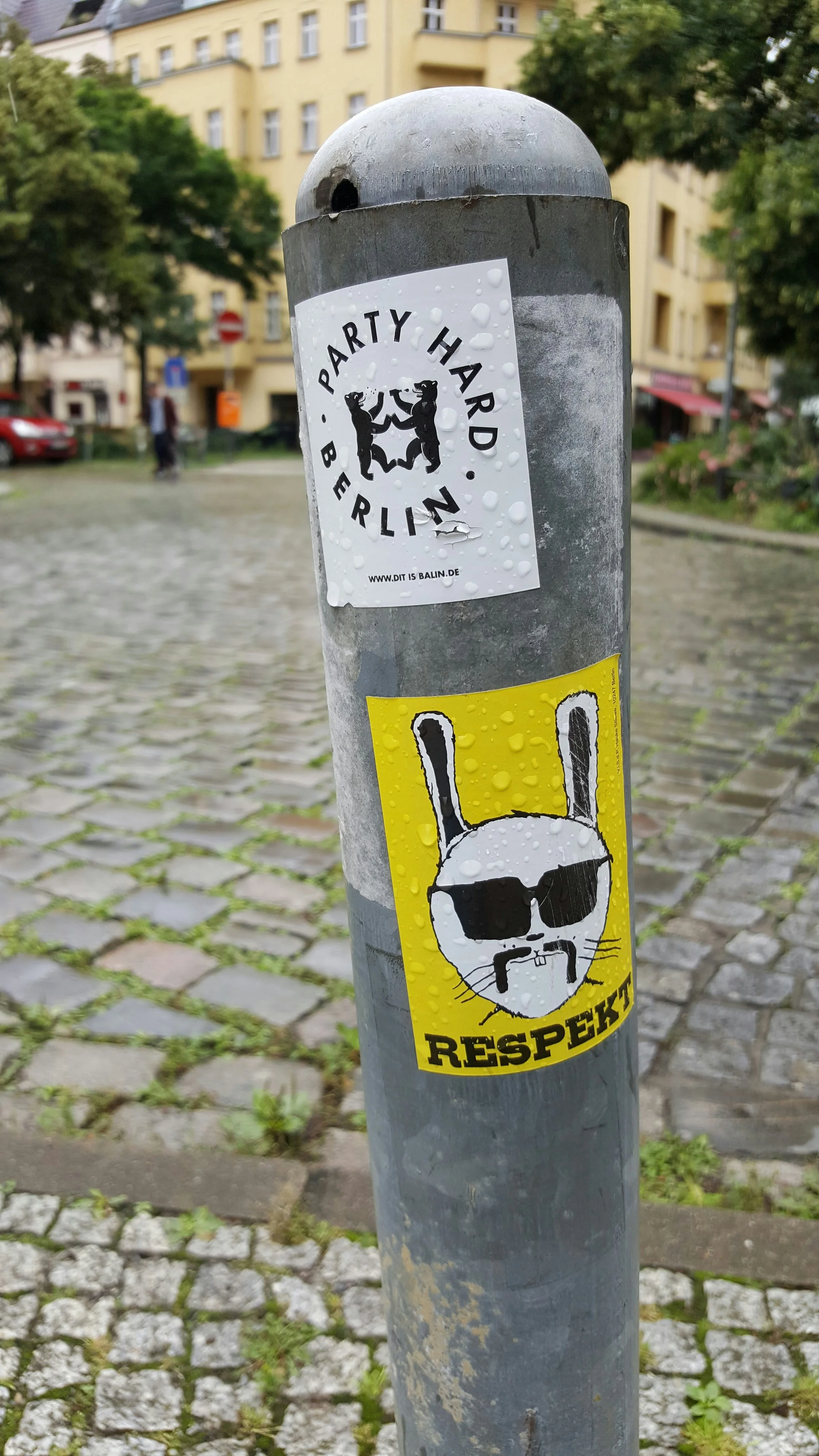
Berlin stickers
This dynamic destabilises the cultural economy itself. As symbolic value grows, operational costs — such as rents, labour and production — rise across the board. The organisations most critical to cultural innovation, such as small venues and independent operators, are the least equipped to absorb these pressures. Their value is systemic but hard to monetise, which is why they are often the first to disappear. This outcome is now the norm rather than the exception, as highlighted in a recent World Cities Culture Report (2025).
Tourism adds another layer of distortion. Once cultural identity becomes a branding tool, scenes are pushed to meet external expectations rather than internal needs. Regulation tightens, fatigue sets in and the labour behind nightlife becomes increasingly precarious. The mythology of openness endures, even as the underlying conditions erode.
This reveals a structural contradiction, where cultural ecosystems generate urban value, but prevailing development models extract that value faster than cultural life can regenerate it. Resolving that contradiction is a policy question, not a cultural matter.
Designing space for counterculture
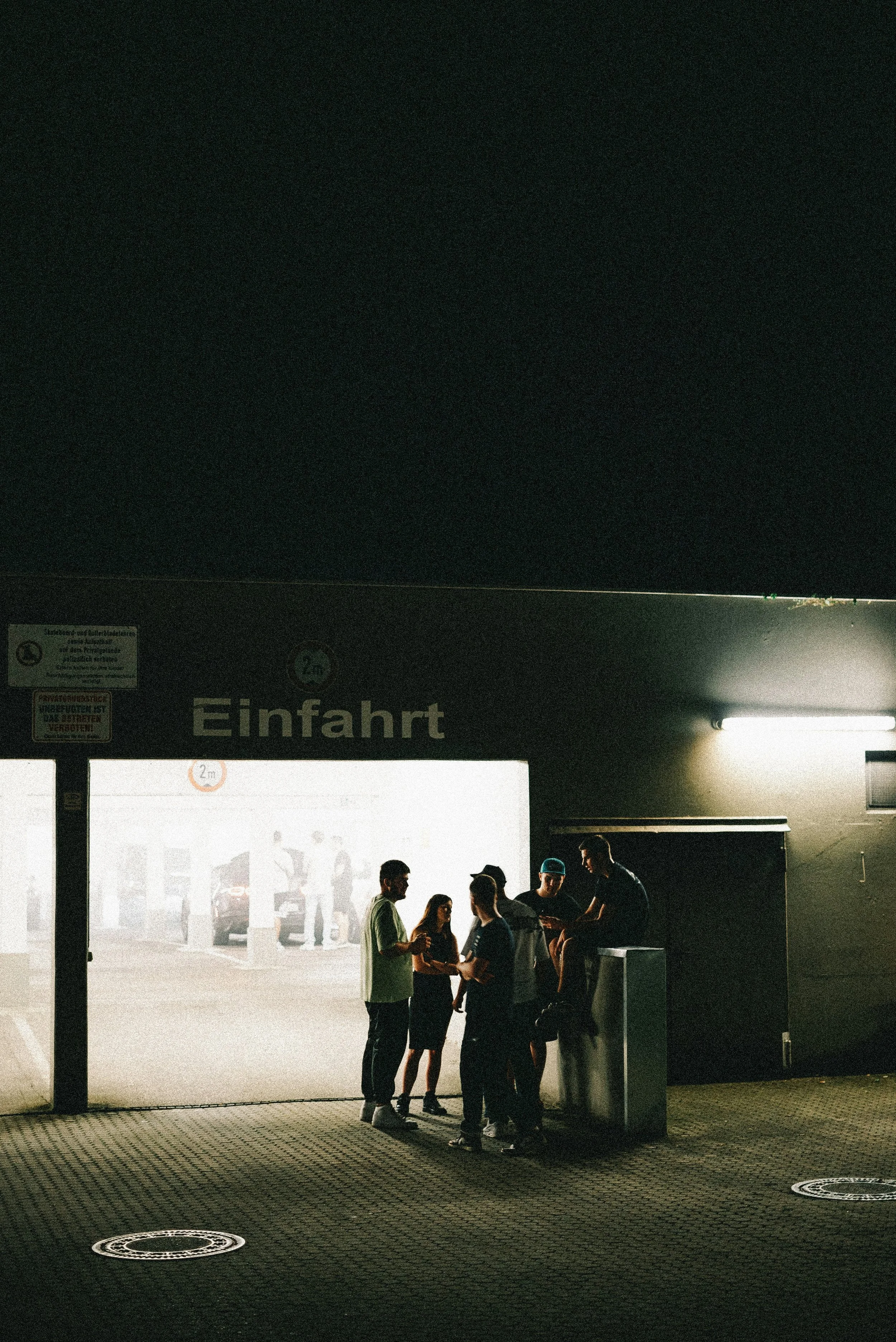
Berlin’s trajectory makes one thing clear — counterculture is not decorative but part of a city’s core infrastructure. Its value lies in its enabling role — including social cohesion, low-barrier experimentation and the ability to repurpose space in ways that formal planning cannot anticipate. These contributions don’t show up in standard economic indicators, yet they determine much of a city’s cultural vitality. When counterculture is squeezed out, cities lose the conditions that make innovation and diversity possible.
Most global cities now face the opposite of Berlin’s early circumstances. Cities face limited space, rising land values and shrinking margins for independent cultural work. Creatives are being priced out at scale. The risk is structural — without accessible space, cultural ecosystems cannot renew themselves, no matter how strong their legacy or global appeal.
Berlin’s evolving policy framework reflects an attempt to counter this dynamic. Instruments such as a dedicated night-time forum, which gives countercultural stakeholders formal access to policymakers, have become key channels for political influence. Alongside targeted funding for small venues as well as independent artists, this marks a shift away from treating cultural life as self-sustaining, toward actively maintaining the conditions it depends on.
For other cities, Berlin offers valuable lessons. Protect space, because cultural innovation needs room to iterate. Blend governance modes, allowing informal activity to operate without unnecessary friction. Support small venues, which function as the backbone of urban culture. And treat nightlife as an ecosystem — not merely as entertainment. Few cities can recreate Berlin’s conditions, but many can design environments where counterculture remains possible — and where urban value is generated without being extracted.