Night-time Economy: How Music Makes Cities Great After Dark
A step-by-step guide to develop integrated night policies with music at their core
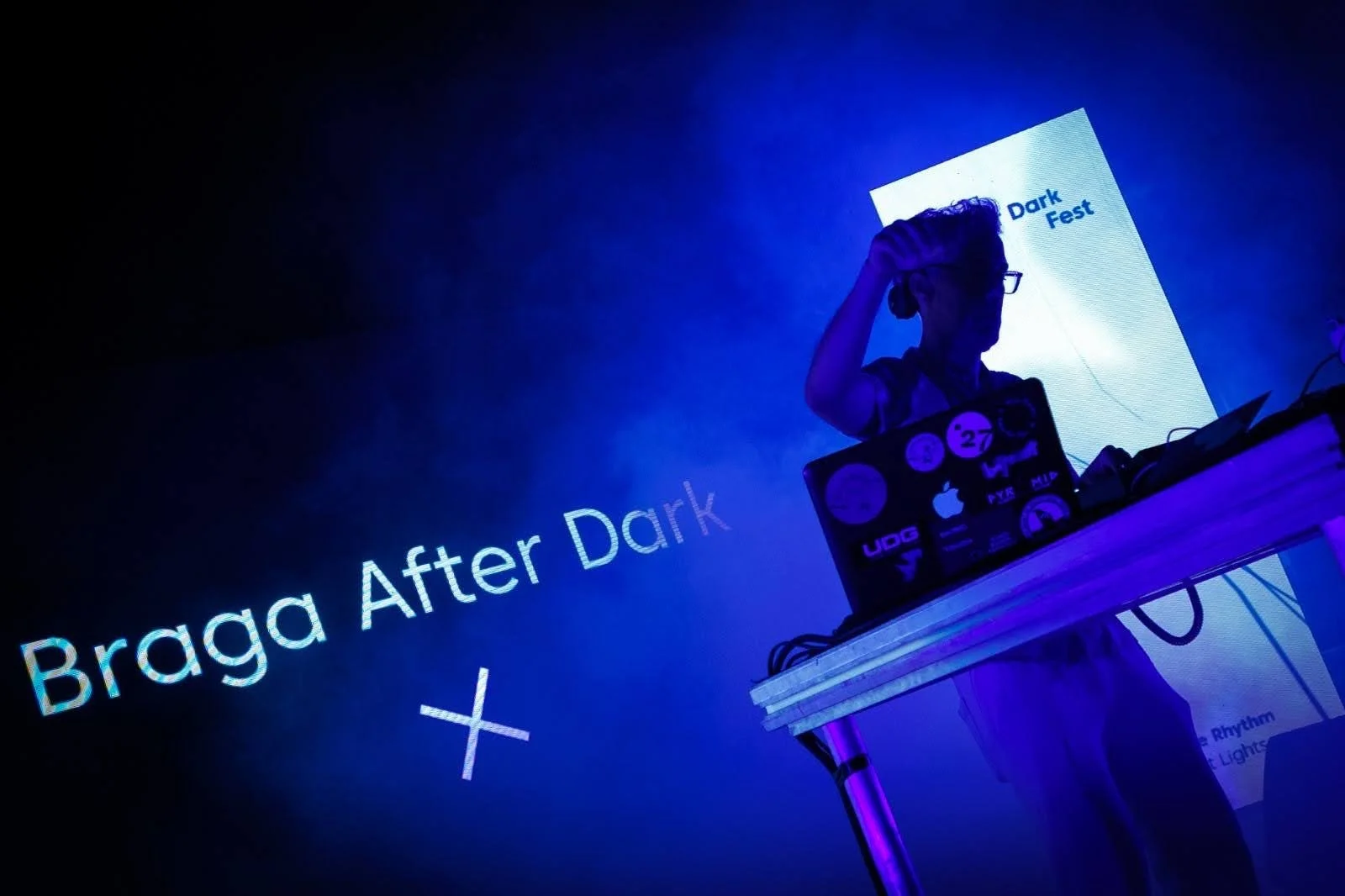
DJ Set at Braga After Dark
The development of integrated policies addressing multiple dimensions of urban life at night is becoming a priority for an increasing number of local authorities worldwide. European cities are leading this debate globally, not only because of the number of cities engaged in the development of night policies but also thanks to the innovative networking initiatives and local pilot actions implemented across the continent.
An interesting example is given by the ten cities participating in Cities After Dark, the first EU co-funded network of local authorities exploring themes like the economic and cultural vibrancy, the extension of services into nocturnal hours, safety and contrast to noise pollution, and the use of green areas and public spaces within integrated participatory strategies.
Music is a cross-cutting element in many of the actions already implemented or currently being developed by cities such as Paris, Genoa, Tallinn, Nicosia, Braga, Zadar, Malaga, Varna, Piraeus and Budva in the framework of their night policies to be implemented on the medium and long term. The final Handbook of Cities After Dark highlights key policy recommendations and practical roadmap for cities wishing to develop a night strategy from scratch, or connect it to existing frameworks. Below are some guiding principles developed by the network of cities and examples of actions that unlock the power of cities after dark through music and cultural vibrancy.
Get to know your night-time economy
Designing effective night-time policies requires a solid understanding of the challenges faced by the local night-time ecosystem, highlighting the value of artists, DJs and cultural workers who contribute to urban vibrancy after dark. The partners of Cities After Dark actively engaged these “unusual suspects” to better understand their perspectives on missing services, regulatory barriers and emerging needs. Their involvement in participatory local groups and pilot actions enriched the policy debate and reinforced the legitimacy of the night-time strategies.
Bring everyone to the table
The active involvement of DJs and cultural workers in local participatory governance processes on night-time economy can go hand in hand with public initiatives that showcase local talent and creativity to the local public, raising awareness on the vibrancy of the local cultural scene. Braga After Dark is a street festival organized by the Portuguese city leading the network offering local singers, DJs and young artists a platform to perform, while fostering civic pride in the city’s nocturnal identity.
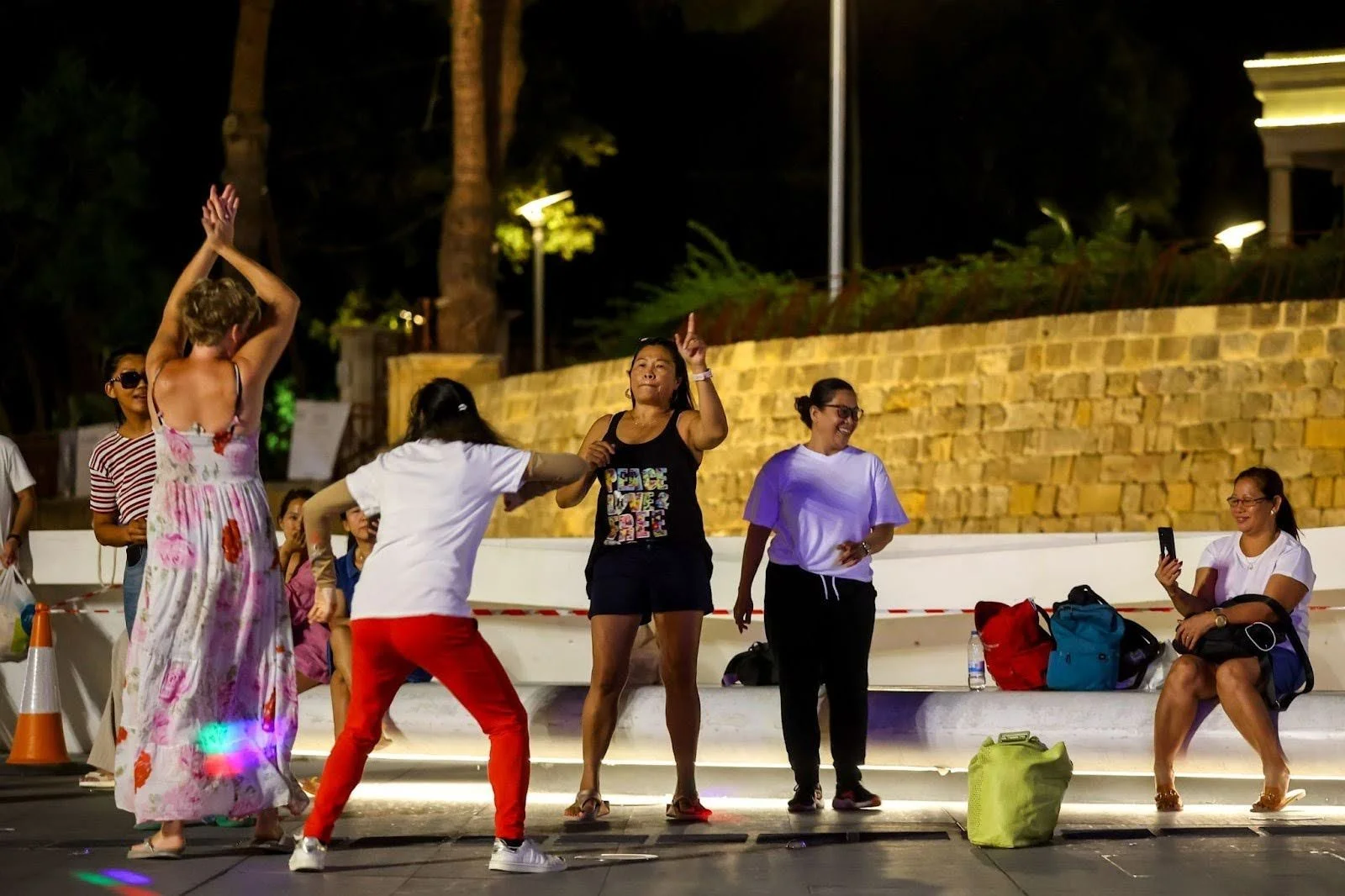
Eleftheria Square in Nicosia
Rethink public spaces after dark
Music and cultural activities can play a transformative role in reactivating streets, squares and parks at night, encouraging residents and visitors to reclaim public spaces and use them in a safe and inclusive way. In Nicosia, the main square (designed by Zaha Hadid) was temporarily transformed into an open-air dancefloor and a space of experimentation hosting DJ training programs for young local artists.
Move sustainably at night
Extending reliable public transport services into late hours constitutes an essential support to reshape the cultural offer of a city, coordinating event closing times of concerts with extended mobility options in order to strengthen accessibility and sustainability. Night buses can also become spaces of cultural experimentation, like in Tallinn where celebrated Estonian artists and writers gave live readings of their works on three night bus lines connecting the city centre with suburban areas. The Estonian capital has also tested the creative potential of public transport infrastructures, staging a live concert at a bus stop after dark, with a performance that surprised passengers and demonstrated that cultural experiences can happen in the most unexpected places.
Support culture and creativity
Recognizing the strategic role played by clubs, music venues and other spaces of cultural production is fundamental to shaping the nocturnal identity of a city. Supporting cultural actors like DJs, artists and concert organizers with specific funding tools is not only fundamental to support the live music scene, but also to diversify and vivify the musical offer of a city not only at the occasion of large concerts but throughout the year. Tallinn developed a funding scheme to support cultural programming of small music venues, reinforcing night-time creative ecosystems and providing support to local artists and creative entrepreneurs active at night.
Make nights safer and less noisy for all
Addressing the multiple factors that contribute to the feeling of unsafety, from poor lighting to noise pollution, is decisive for cities that foster the night as a space of co-existence rather than conflict. Public support for soundproofing of night venues can significantly contribute to reducing tensions between venues and residents. Paris has implemented an annual subsidy scheme for acoustic insulation and soundproofing for bars, clubs and music venues, in partnership with the National Centre for Music. This financial support helps operators of the night-time economy to invest in sustainable renovations, contributing to better coexistence between residents and the cultural venues.
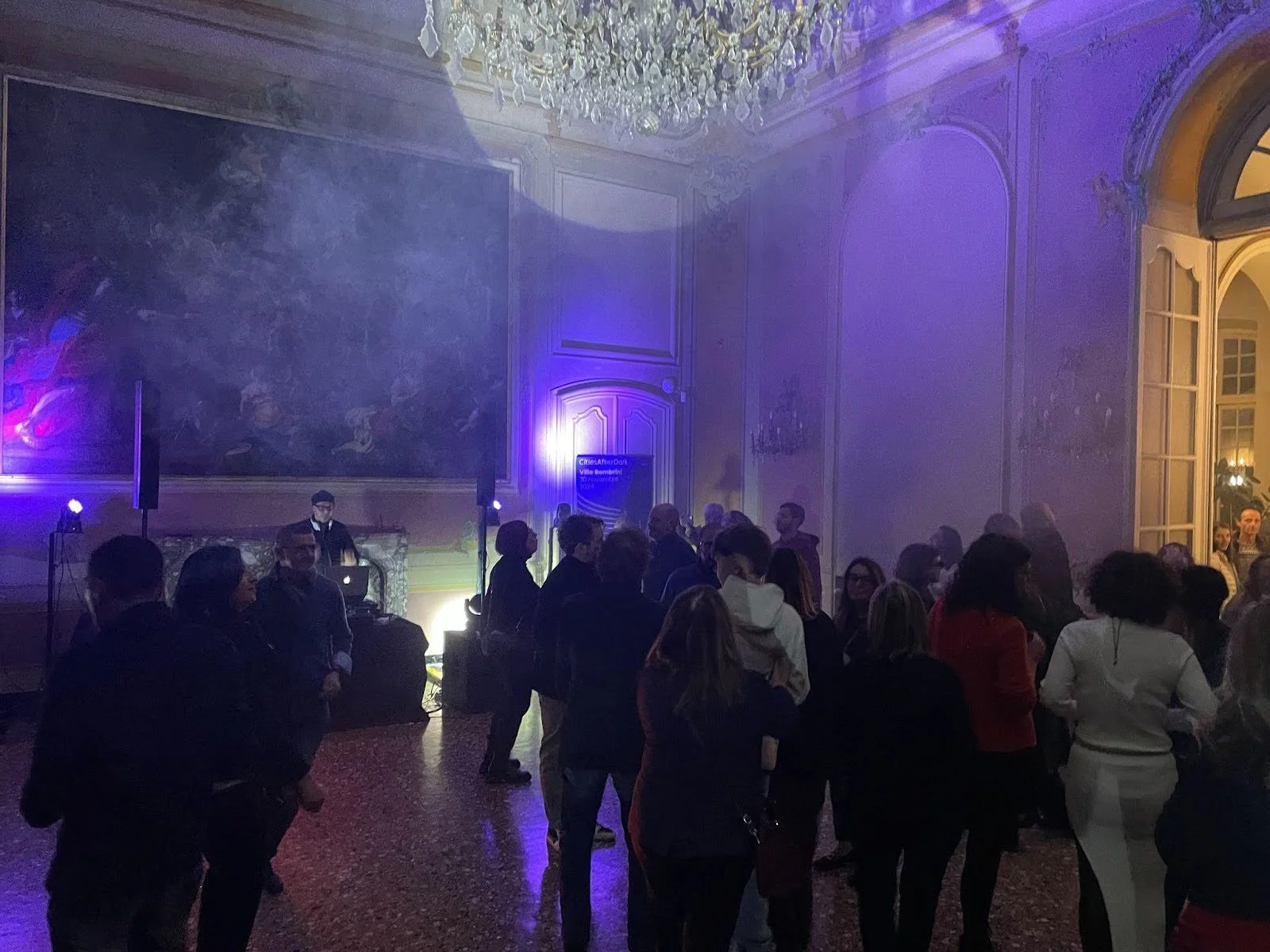
Reviving historical villas in Genoa
Share the night across the city
Spreading night-time activities beyond the city centre is crucial to avoid over-concentration of the offer and to promote the right to the city at night for all. While in many European cities nightlife is still concentrated in specific districts, mapping proximity music venues and creative hubs can help them to thrive in the urban context, encouraging creativity and the development of new night businesses and better use of public spaces after dark. In Zadar, the Kwart Festival brings concerts and theatre performances to peripheral public spaces, offering alternatives to the overcrowded city centre during summer. In Genoa, the organization of DJ-sets and guided tours in a historical villa located in a suburban district enabled rediscovery of an underused cultural asset after dark, involving cultural actors in the revitalization of peripheral neighbourhoods.
Govern the night on the long-term
Sustainable night-time policies require coordination across different municipal departments in a local authority, from culture to economic development and urban planning, but also the active involvement of artists and creative industries in participatory night governance mechanisms.
Many European cities have established night councils or commissions where DJs, artists and venue operators bring the point of view of night-time professionals and contribute to the decision-making on night-time economy collaborating with different departments of the local authority. In Braga DJs and artists are being progressively integrated into permanent night governance structures, but also in thematic programmes that promote training activities and continuous dialogue with local authorities.