10 Lessons From Music Cities Convention Alberta I’ll Be Taking To Our Next Projects
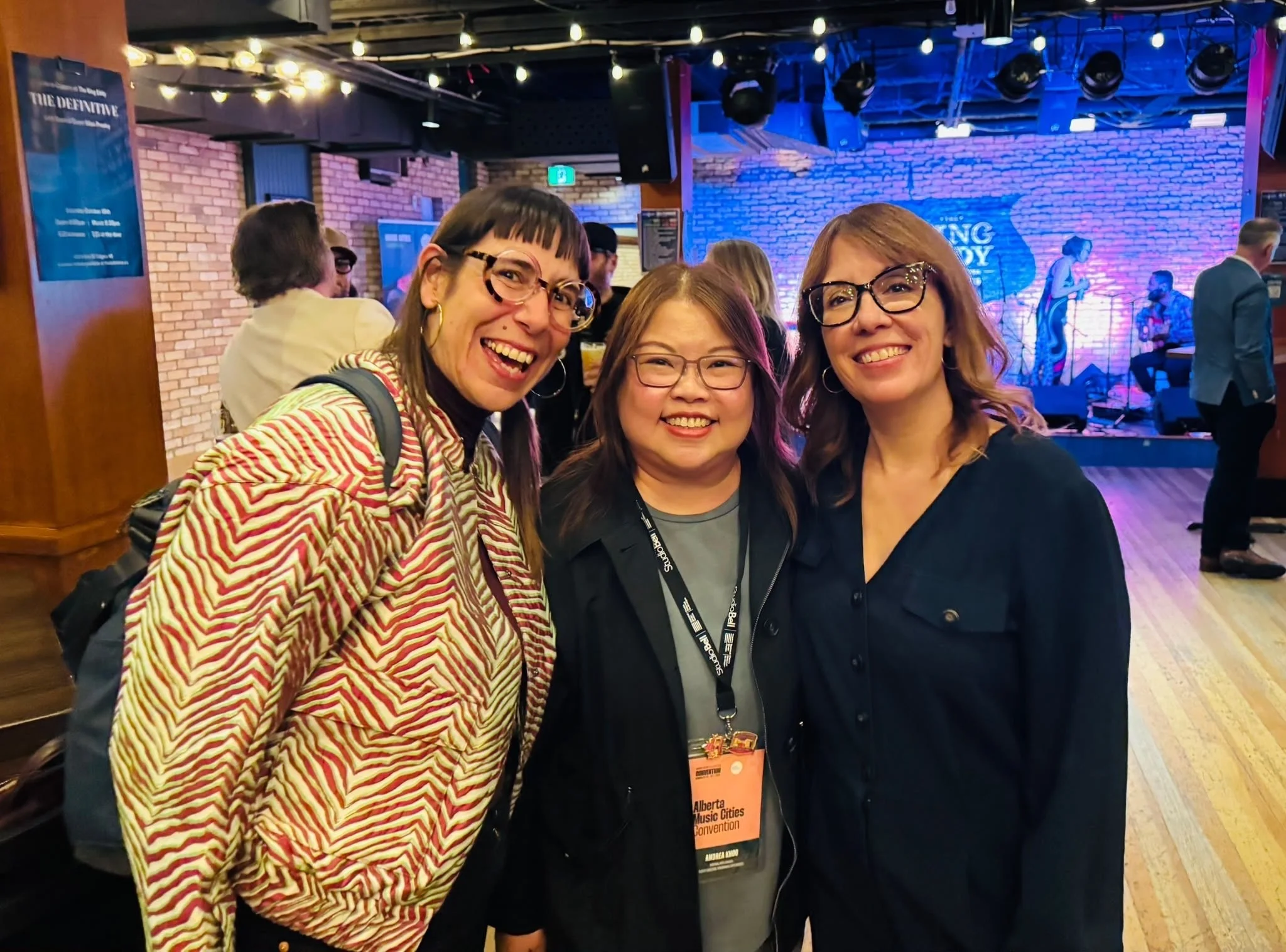
During a coffee break at the Music Cities Convention in Alberta, someone told me that the future of music-friendly policies in cities feels more promising than ever. And indeed, years of advocacy from people in the industry, conferences, and cities putting music at the center have certainly transformed something which was only a hypothesis some years ago into a reality today.
Now there is proof of concept, there is data to show music plays a very relevant role in the everyday life of cities, there are examples of successful places leading with music. I believe this is true, and I also feel a little proud for having done our tiny bit from Sound Diplomacy and the Center for Music Ecosystems.
After all these years of Music Cities Conventions and music cities panels in music conferences all over the world, there are some learnings that keep coming up. After reviewing my notes from Alberta, I realised I had written 10 quotes that help frame those learnings very well, and that I will try and take with me every time we start a new project. “What is essential is invisible to the eye”, and some of the aspects I will relate tend to be invisible, but not unimportant.
Here are 10 lessons I’ll be taking to our next projects:
“I have scars because of my music, but my grandchildren sing these songs, and their grandchildren will sing these songs too.”
David McLeod, CEO, Native Communications Inc. & NMC Indigenous Program Advisory Committee
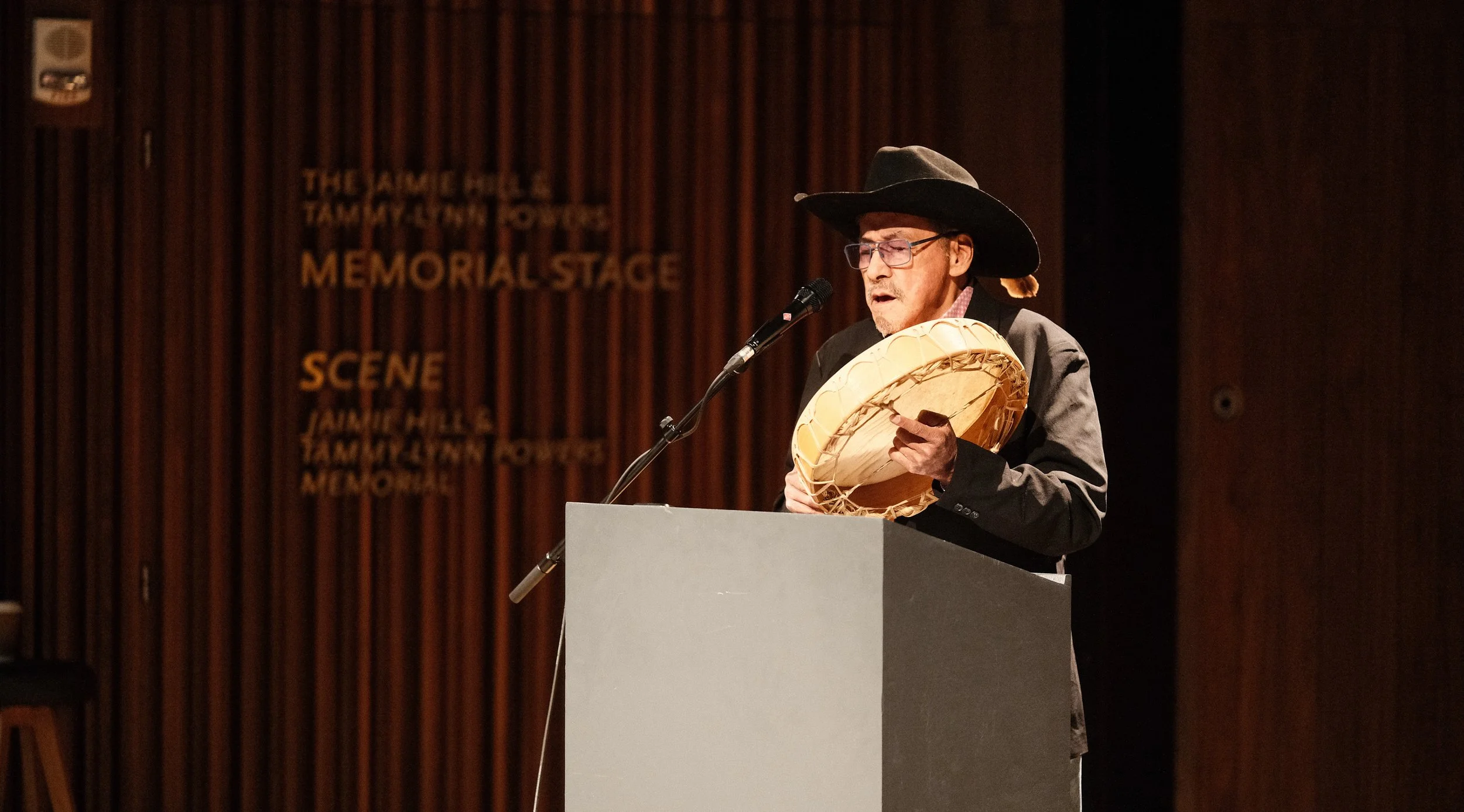

The first day of Music Cities Convention was National Day for Truth and Reconciliation in Canada. On this day, Canadians honour First Nations, Inuit, and Métis Residential School Survivors, their families, and communities, and commemorate the children who never returned home. Having always recognised the value of Indigenous culture, we were honoured to start with a prayer by Bryan Little Chief, Siksika Nation Elder, and welcoming David McLeod, CEO, Native Communications Inc. & NMC Indigenous Program Advisory Committee as our keynote speaker. In learning about the role of music and culture for Indigenous communities across Canada, we also learnt about the times when traditional songs could lead to imprisonment or physical punishment for those who sang them–and yet, they have persisted across generations. Music is one of the very few treasures that can be collectively shared more easily within a community, and that shapes individual and collective identities while preserving a people’s history.
Heritage preservation, and first and foremost the safeguard of all cultures across communities, is a non-negotiable especially when it comes to defining music strategies and policies worldwide. Music is not the same for everybody, and an effective music policy needs to recognise that the diversity that exists in music ecosystems is equal to the diversity that exists in the city or town, and everyone’s music needs to be represented. Representation matters and the models our youngsters have matter as much, so designing policy with a diversity lens is a must.
“Our elders are a museum, a repository for our culture”
Jeremy Dutcher, Artist and Composer
There is knowledge in tradition and in language, and there is a wealth of knowledge in the legacy we receive from those who came before us. This is as true for Indigenous populations as it is for all cultures in the world, and we need to apply those lessons not only to the traditional education methods, but also to the way we think of and design the places where we live, which are the places where this knowledge will be ultimately transmitted.

Education is a big part of what makes a music city, from teaching children to play an instrument to professionalising the sector, and also educating audiences. Western traditional education may not be enough to teach the future powerforce of a music city. Schools, universities and training institutions need to make sure they account for the diversity of cultures and learnings that exist in society.
“A successful music policy relies on partnerships.”
Shain Shapiro, Founder and Chairman of Sound Diplomacy
The importance of partnerships was a recurring theme throughout the conference. Partnerships were mentioned as the key to develop some of the very necessary policy innovations that were presented during the convention, such as the Agent of Change principle in Calgary, night-time offices in cities like Philadelphia, new zoning uses for venues in Austin, or a touring program for Maltese musicians, as well as groundbreaking initiatives like Music Export Memphis, a healthcare program for artists in Dallas, a tourism campaign in Bahamas focused on its music, the Cascadia Music Collective or Music Trails across Queensland in Australia. I encourage you to check them all out.
The true strength of an ecosystem lies in the necessary connections between its agents, the environment where they are nurtured and developed, and the resources they can count with. And the best and more efficient way to make the most of it is by bringing them together through shared objectives and common victories.
“Small is our superpower: We are small enough to nurture, but connected enough to launch”
Moira Demoirest, Kingston Music Officer
Size doesn’t dictate which city is a music city and which one isn’t. In fact, during Hull we learnt about the Center for Music Ecosystems’ Music Policy Resilience Network, ”a landmark transnational collaboration designing and implementing pro‑music and culture policies that foster resilience in small to mid‑sized communities”. And in Alberta we heard from cities and towns like Kingston, ON or Boise, ID and the extraordinary work taking place there. Smaller communities have a superpower that is less easy to find in bigger cities: the connections that make them great places to live also apply to music - so the owner of the venue a young band is about to play at maybe went to school with the mother of the bassist - and therefore informal opportunities and social connections become a key aspect to launch a musician’s career. But that’s not enough: the question for Ontario was how to turn the music legacy and people’s enthusiasm in music into a sustainable, incubating music sector. And the answer was first through planning, launching the 2023 Kingston Music Strategy, and then through policy by redefining noise bylaws and tax incentives or through fair wage systems and public funding access.
The size of a city or its music ecosystem doesn’t matter, what really matters is to have a plan in place that brings together all relevant stakeholders, to get the necessary institutional will and secure a budget, to have the ecosystem on board with the implementation of the plan, and to find the right people and partnerships to set it on motion. And events like the Music Cities Convention are the perfect opportunity to meet and nurture the connections with like-minded cities to develop the connections necessary to launch music careers.
“If I had a dollar for every time someone tells me that if I want to work in music I need to move to Nashville or LA I would be retired”

Natasha Mandrusiak, Moderator, Artist Manager & Concert Production Manager, and Women in Music Alberta Co-Chair
In line with the previous point, a music city is about policy, not about the size of its industry. If a city understands that music is as valuable a sector as any other, and plans accordingly, an artist’s chances to develop a successful career may be greater in a smaller city than a big music hub. An education system that provides music training across all levels, policies that allow venues of all sizes to thrive so an artist can progress in accordance to their growing fan base, systems that incentivise music businesses to stay locally, affordable spaces to give room for creativity, or exchange opportunities to tour, make for much better opportunities than world-class music industry activity, which might be sometimes disconnected from the needs of grassroots level musicians.
We heard so from Huntsville, which is a great example of a place best known for other industries (aerospace, defense and biotechnology), but that has achieved remarkable results since they started implementing their music strategy in 2018: 2.5× growth in music jobs, 38% more direct economic output of the music industry and 32% more music spaces in 8 years (with Covid in between). You can read the report we’ve just launched about Huntsville here.
“As policymakers, we don’t need to reinvent the wheel”
Harrison Clark, Councillor of Ward 9
During the conference we heard from experiences across the world, and most of them have been replicated from other countries or cities. Yes, there are certainly innovative solutions that have become beacons of inspiration for many other cities. But we also learnt that the Agent of Change Principle was originally created to protect pig farms from neighbor complaints, and those transferences are much more common.
“Good policy is built with the people it affects”
nathan walker, Director of Development, Duck Club Entertainment/ Music Idaho
As mentioned earlier, having ecosystem buy-in is essential for the success of a given policy change or music-related program. And the best way to achieve and maintain buy-in is by including everyone in the conversation from the onset, and keeping these conversations alive and active. Music boards, commissions or any other similar entities have proven to be very effective bodies when it comes to bridging the gap between the ecosystem and the institutions and decisionmakers. They exist in most of the places represented in the conference, in one form or another.
Music boards can advocate to change policies, adopt new measures, and directly impact council and governmental objectives. Serving as advocates for the broad music ecosystem, they raise key concerns and demand solutions from municipal governments and other entities. So, at the end, ensuring they have a seat at the table from the design of a new initiative is vital for its long-term sustainability.
“Civic pride is a public good no ticket price can capture.”
Steve Sleswick, Managing Director, The Tivoli Group
Social impact is very hard to capture, and yet it is probably the main factor everyone in the room do what they do for their cities music ecosystems. Venues are ultimately a public good, a cultural anchor for the community. And they need to be recognised for their social, cultural and educational value as much as they are recognised for their economic contributions or their job creation. This is why music venues everywhere must be protected, treated as the essential cultural infrastructure they are. The words we use to describe them in policy matter: if they are defined with the same words as museums or opera houses, their value as cultural contributors and the urge to safeguard them will be unquestioned.
One thing we learnt from many examples throughout the three days was how powerful storytelling can be. At the end, when sitting in front of policymakers we are sitting in front of human beings who are moved by a story as much as anyone else. The proof is there of how impactful music can be: whether playing it in a care home, learning an instrument as a child or attending a concert, there are plenty of stories that can be more meaningful than data.
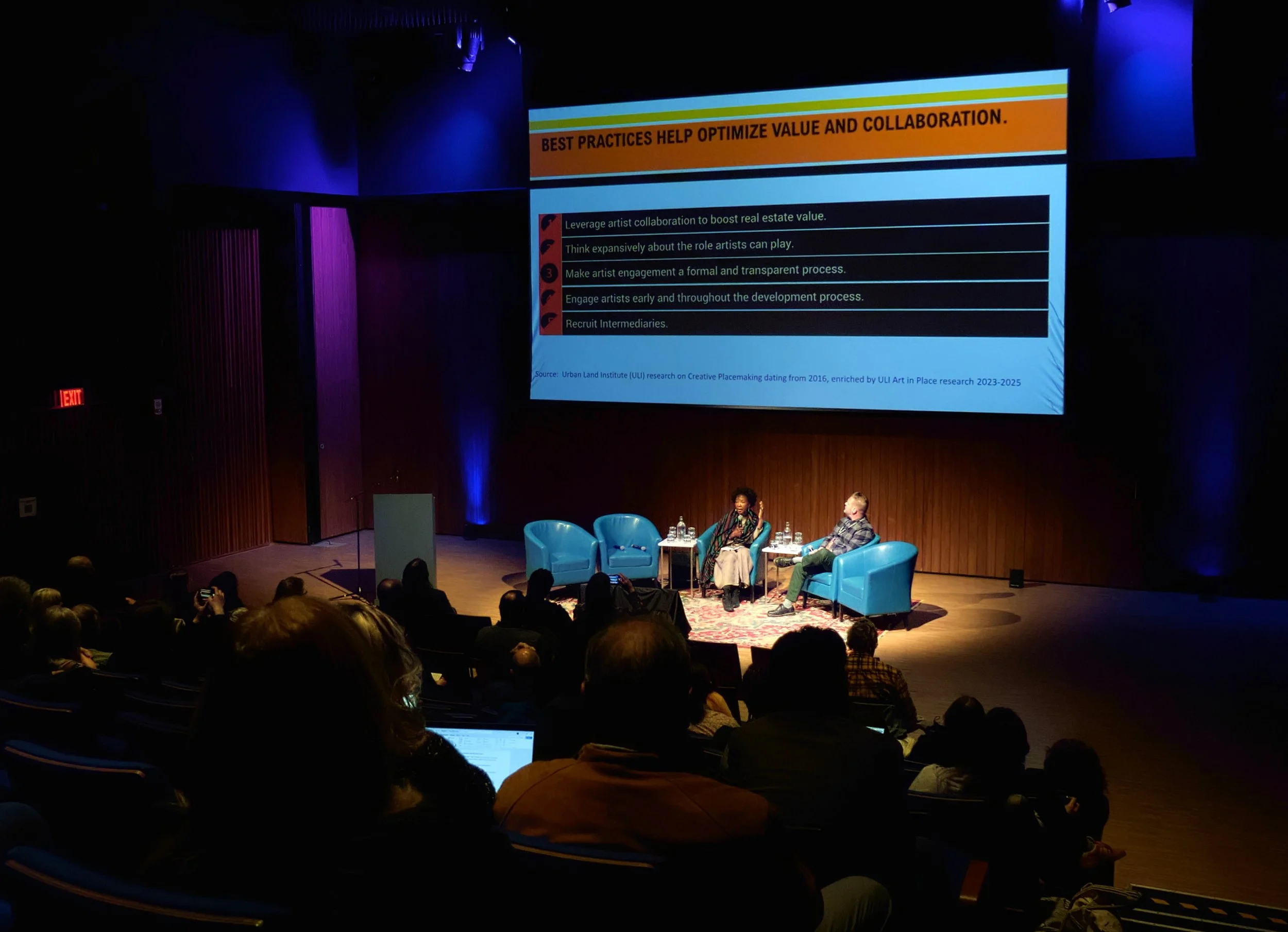
“Lead with music, you can’t go wrong”
Juanita Hardy, Managing Principal, Tiger Management Consulting Group, LLC
This was shared as the final step in a step-by-step guide to effective cultural placemaking, but I feel it is true for everything else. It is a universal language that can provide universal solutions. Lead with music when trying to convert the unconverted, remind them of that song that said exactly what they felt when they were teenagers. Lead with music when trying to find a creative solution to a community issue, remind yourself of that community project you heard about that brought music to unusual settings to drive positive change. Lead with music when thinking scientifically, remind colleagues that music is the only thing known to impact all areas of the brain, as Joy Allen told us during the convention.
Lead with music, you can’t go wrong.
“Alberta is having a moment”
Jennifer Venance, Alberta Music Commissioner
And, to close up: yes, Alberta is having a moment. And so are the hundreds of cities represented in the Music Cities Convention in Calgary and the 16th previous editions of the event. The idea of every city being a music city is having a moment, and we are happy and feel very honoured to be playing a role in that.